
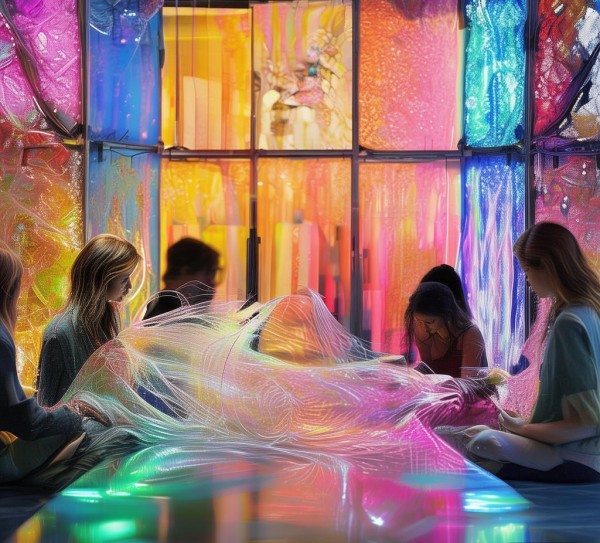
- The Design Behind all-Media Fabrics
- The Rise of all-Media Fabrics in the Modern World
- The Future of all-Media Fabrics
Abstract:
all-media fabrics represent a unique intersection of materials, design, and cultural contexts, offering a fresh perspective on fashion. This article explores their design potential, historical significance, contemporary applications, and future trends, providing a comprehensive understanding of this innovative fabric category.
The Design Behind all-Media Fabrics
all-media fabrics are more than just materials; they are living, evolving tools for design. Unlike mass-produced fabrics, all-media fabrics are often tailored to specific cultural, ethnic, or historical contexts, reflecting the origins and identity of the material. This customization not only embodies ownership and authenticity but also creates a sense of depth and personal relevance in the design process.
Functionality is a cornerstone of all-media fabrics. While traditional fabrics like cotton and polyester are easy to machine wash and reuse, all-media fabrics typically incorporate materials such as silk, cotton-blends, or recycled materials. Durable and resistant fibers, such as those made from natural fibers or biodegradable resins, offer a higher quality standard, making these fabrics suitable for both everyday wear and specialized, high-end applications.
Texture and texture integration are other key attributes of all-media fabrics. fabrics such as silk, which are smooth and luxurious, or cotton-blends that are slightly damp, create a cohesive visual language that seamlessly blends with other materials. This consistent texture allows for seamless combination, resulting in a cohesive and immersive look that resonates with human senses.
all-media fabrics also embrace local culture and identity. A piece of clothing designed for a particular cultural background, such as those from an Australian tailoring industry, uses fabrics that reflect the local language and customs. This approach not only adds authenticity but also bridges the gap between the product and the creator, making the design feel more personal and relatable.
The Rise of all-Media Fabrics in the Modern World
the concept of all-media fabrics has emerged as a transformative force in contemporary fashion, reshaping how we perceive and wear clothing. from high-end brands to niche retailers, all-media fabrics are gaining traction as a way to redefine what it means to be stylish. by focusing on the unique properties of the materials they are made from, designers can create products that are both functional and aesthetically pleasing in ways that mainstream fabrics cannot achieve.
one of the most striking examples of all-media fabrics in action is in the fashion industry. brands like lululeka and vans have started incorporating all-media materials into their collections, creating products that feature intricate patterns, textures, and finishes specific to the fabrics. these finishes often incorporate local language and customs, ensuring that each piece feels more human and relatable.
another example is the fashion accessories industry, where all-media fabrics are being used to create items that are both functional and stylish. for instance, a pendant made of silk or a bag made of organic cotton-blends can be designed to fit the unique characteristics of the fabric, creating a sense of exclusivity and individuality.
all-media fabrics are also making their way into emerging trends, such as sustainability and ethical fashion. by using materials that are less harsh on the environment and that reflect the values of the people who make them, all-media fabrics are becoming a key player in the fight against the environmental impact of fashion.
The Future of all-Media Fabrics
as the fashion industry continues to evolve, all-media fabrics are likely to play an even more prominent role in shaping the future of what is being designed. by focusing on the unique properties of the materials they are made from, designers can create products that are both functional and meaningful in ways that are difficult to achieve with mainstream materials.
in addition, all-media fabrics are likely to become even more popular in the coming years. as more consumers become aware of the unique characteristics of all-media fabrics and the ethical practices behind their production, the demand for these materials is likely to grow. this shift will not only redefine the boundaries of what is considered "fashion" but also create a new category of clothing that is both stylish and meaningful.
in conclusion, the world of all-media fabrics is a fascinating and rapidly evolving field that offers a wealth of possibilities for fashion designers. by embracing the essence of these materials and focusing on the principles of functionality, texture, and authenticity, all-media fabrics are proving to be a powerful tool for creating clothing that is both stylish and meaningful. as the industry continues to evolve, all-media fabrics will undoubtedly play an increasingly important role in shaping the future of what is being designed.